What Is a 3D Layered Christmas Design and How Can It Enhance Your Holiday Projects?
A 3D layered Christmas design is a creative format that allows users to produce visually striking, dimensionally rich holiday decorations or accessories using digital files. These designs typically consist of multiple layers that, when cut and assembled, create a three-dimensional effect. They are popular among crafters, small business owners, and DIY enthusiasts for their ability to add depth and texture to projects without requiring advanced artistic skills.
Key Features of 3D Layered Christmas Designs
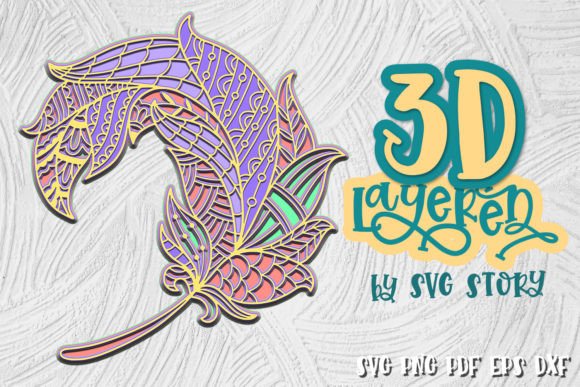
The most distinctive feature of these designs is their layering structure. Each layer represents a different part of the overall image, which can then be stacked and adhered together to form a raised, realistic look. This makes them ideal for creating items like Christmas wall hangings, faux leather earrings, wooden ornaments, and shiplap garlands.
- High-quality file formats: Typically include SVG, DXF, EPS, JPG, and PNG (300dpi with transparent background) to ensure compatibility with various software and cutting tools.
- ZIP delivery: Files are sent in a single ZIP folder, making it easy to organize and extract the necessary components for your project.
- Vector-based creation: The vector models are hand-drawn by designers, allowing for clean lines and scalability without loss of quality.
- Laser and machine-cut friendly: Designed for use on Cricut machines or laser cutters working with materials like acrylic, plywood, and MDF.
How 3D Layered Christmas Designs Differ from Flat Designs
Traditional flat designs—like standard SVGs or PNGs used for print or simple cuts—lack the dimensional appeal that layered templates offer. While flat designs work well for basic stickers, signs, or fabric prints, they do not provide the same level of visual interest or tactile experience as 3D versions.
For example, if you're crafting a Christmas tree ornament using a flat SVG, the result will be two-dimensional. However, using a 3D layered design lets you build a multi-tiered tree with branches that appear to extend outward, giving your ornament more character and charm.
Comparing Use Cases: When to Choose 3D vs. Other Formats
Understanding the best applications for 3D layered Christmas designs helps in choosing the right tool for your project. Here’s how they compare with other common formats and approaches:
Use Case 1: Wall Hangings and Decorations
If you're looking to make a 4-layered Christmas wall hanging, a 3D design provides a more dynamic appearance than a flat one. The layered approach mimics traditional paper quilling or woodcarving techniques, but with the ease of digital precision. In contrast, hand-cutting such intricate shapes would take significantly more time and skill.
Use Case 2: Earring and Jewelry Production
Using faux leather or felt, you can turn these layered designs into unique Christmas-themed earrings or brooches. The advantage here is that each layer adds subtle depth and detail, something that flat templates can't replicate. However, if you're only interested in making simple shapes like snowflakes or stars, a flat SVG might suffice and save material and effort.
Use Case 3: Shiplap Garland and Ornaments
Shiplap-style decor has become a popular trend during the holidays. A 3D layered design can help you replicate this look easily. By stacking layers at slight angles, you can simulate the overlapping planks typical of shiplap style. For comparison, printed shiplap patterns lack the physical texture and may not hold up as well when displayed or handled.
Strengths and Limitations of 3D Layered Christmas Designs
These types of digital files offer several advantages, especially for those who enjoy hands-on crafting. Below is a breakdown of what they bring to the table and where they might fall short:
Strengths
- Enhanced Visual Appeal: The 3D aspect adds depth and realism, making the finished product stand out compared to flat alternatives.
- Customization Potential: You can modify colors, sizes, and materials based on your preferences, allowing for personal touches in every project.
- Time Efficiency: Compared to drawing or carving each shape manually, using pre-designed layered templates saves hours of preparation.
- Material Versatility: Works well with a range of materials including faux leather, felt, wood, and acrylic, expanding your creative options.
Limitations and Tradeoffs
- Assembly Required: Unlike flat designs that can be used directly after cutting, 3D layered designs need some manual assembly, which can be time-consuming depending on the number of layers.
- Software Compatibility: Users must understand how their cutting machine or design software functions, as not all systems support the same file types equally.
- No Resale Rights: Most 3D layered Christmas designs are intended for personal or small business use only, so they aren’t suitable for large-scale commercial production or resale.
- Learning Curve: Beginners may find it challenging to navigate the setup process, particularly if they’re unfamiliar with file extraction or machine calibration.
Best-Fit Situations for Using 3D Layered Christmas Designs
These designs are particularly well-suited for specific scenarios where depth and detail matter. Here are some situations where they shine:
- Small Business Creators: If you run a small shop selling handmade holiday decorations, 3D layered designs can help you maintain consistent quality while producing unique items.
- Gift-Making Enthusiasts: Personalized gifts with a professional finish are easier to achieve using these templates, especially for wooden or felt-based items.
- Home Decor Projects: Whether it's a festive wreath made from MDF or a layered garland for your mantel, the added dimension brings life to your space.
- Educational Crafts: Teachers and parents can use these designs to engage children in holiday crafts that are both fun and visually rewarding.
When to Consider Alternatives
While 3D layered Christmas designs have many benefits, they may not always be the best choice. Here are a few instances where you might prefer another type of digital template:
- Simple Stickers or Prints: If you're making a quick printable card or a vinyl sticker for a window, a flat SVG or PNG is faster and easier to use.
- Budget Constraints: Some users may find the cost of purchasing layered templates unnecessary if they only plan to make one or two items. In such cases, free flat SVGs could be sufficient.
- Large-Scale Production: Since these files are often limited to personal or small business use, consider bulk-ready resources or custom design services if you plan to mass-produce items for sale.
- Limited Tools: If you don’t own a compatible cutting machine or laser cutter, a 3D layered design won’t be practical. Look for downloadable PDF templates instead.
Real-World Examples of 3D Layered Christmas Design Applications
To better illustrate the value of these designs, let’s explore a few real-world examples:
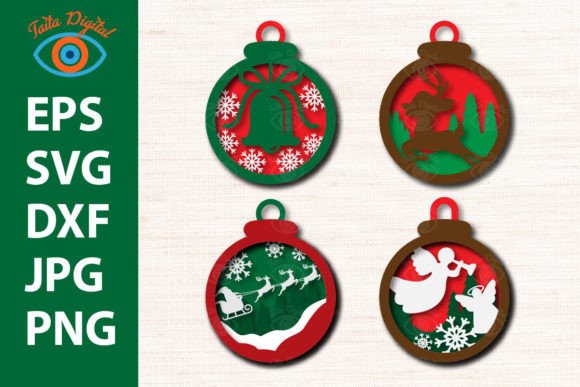
- Wooden Ornaments: A layered SVG can be used to cut four parts of a bauble—base, middle, top, and hanger—which are then glued together for a festive, textured ornament.
- Faux Leather Earrings: With multiple layers representing different elements of a reindeer or Santa hat, these can be die-cut and assembled for a stylish accessory perfect for the holiday season.
- Acrylic Keychains: Stack and glue layers of colored acrylic to create a vibrant, dimensional keychain that looks professionally made.
- Shiplap Garland: By using angled layers, you can craft a garland that mimics the rustic look of shiplap walls, adding a cozy touch to any home décor.
Getting Started with Your 3D Layered Christmas Design
Once you’ve received your digital ZIP file, follow these steps to begin your project:
- Extract the Files: Make sure you know how to open ZIP folders on your computer. If you encounter issues, contact the designer or seller for assistance.
- Choose the Right File Type: Depending on your cutting machine or software, select an appropriate file—SVG for Cricut, DXF for laser cutters, etc.
- Review Layer Instructions: Many 3D designs come with a guide explaining how to stack and assemble the layers for the best results.
- Select Your Material: Decide whether you want to work with faux leather, wood, felt, or acrylic. Each material behaves differently, so choose accordingly.
- Craft and Customize: After cutting, assemble the pieces and add embellishments like glitter, paint, or beads to personalize your creation.
Final Thoughts on Choosing the Right Design Format
In summary, a 3D layered Christmas design offers a unique blend of creativity and convenience, especially for those who want to elevate their holiday crafts. They provide a professional look with minimal effort and allow for customization across various materials. However, they also require a bit of technical knowledge and careful planning before starting a project.
If you're aiming for fast, flat decorations or have no access to a cutting machine, alternative formats like standard SVGs or printable PDFs may be more suitable. But if you're ready to take your holiday crafting to the next level, 3D layered designs can help you achieve that eye-catching, high-quality finish that stands apart from the rest.