What to Know About 3D Text Effect Design for Creative Projects
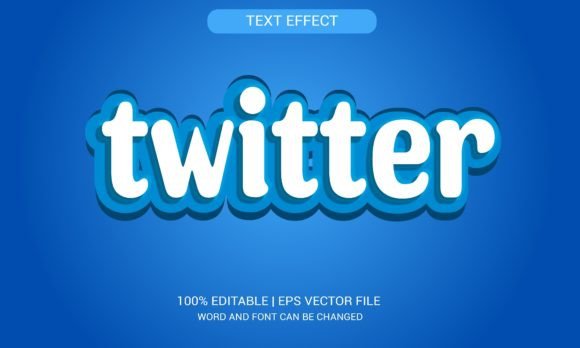
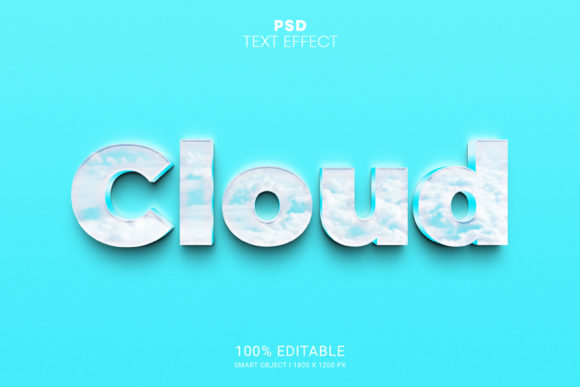
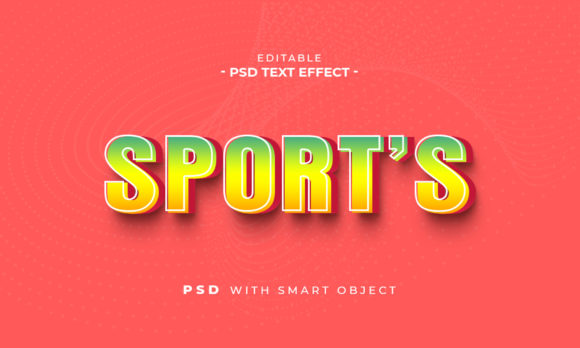
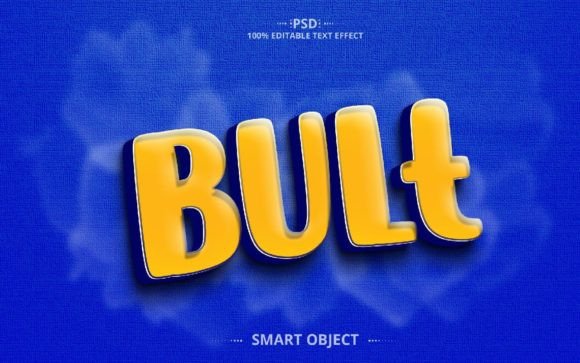
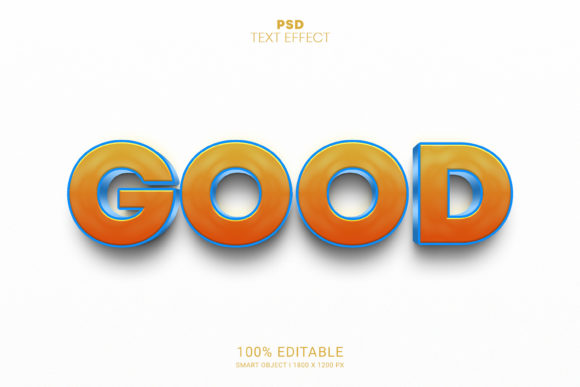
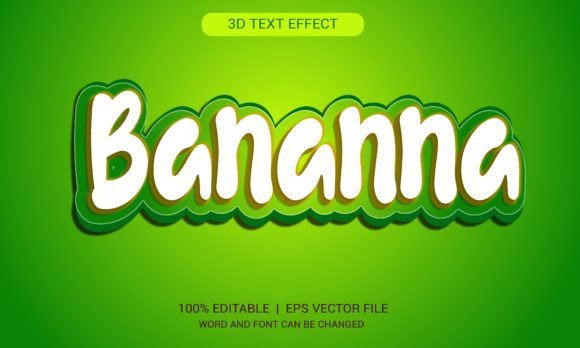
3D text effect design is a powerful technique used in graphic design and digital art to create visually engaging text by adding depth, lighting, shadows, and textures. This approach transforms standard two-dimensional text into an eye-catching three-dimensional form that enhances the overall aesthetic of posters, logos, websites, and other media. When working with 3D text effects, designers often use specialized software or tools to manipulate text layers, apply materials, and generate realistic visual outputs.
One of the most common formats associated with 3D text effect design is the .EPS file, which stands for Encapsulated PostScript. This vector-based format allows for high-quality scaling without loss of resolution, making it ideal for print and professional design work. In addition to EPS files, many projects also include JPG images for quick previews or web-ready versions of the final design.
Why People Choose 3D Text Effect Design
Designers and businesses are increasingly turning to 3D text effects because they offer a unique way to stand out in a crowded visual landscape. Whether you're creating a brand identity, designing a website header, or preparing promotional material, 3D text can add a dynamic element that grabs attention and conveys creativity.
- Visual Impact: 3D text adds dimension and realism, making designs more compelling.
- Professional Quality: With formats like EPS, you can maintain crisp edges and clarity at any size.
- Customization: You have full control over colors, lighting, perspective, and texture to match your project's style.
- Compatibility: JPG versions ensure easy sharing and viewing across different platforms and devices.
Key Benefits and Tradeoffs
Using 3D text effect design comes with several advantages, but it’s important to weigh them against potential limitations before committing to this approach.
Benefits
- Enhanced Aesthetics: The added depth makes text feel more lifelike and integrated into the background or scene.
- Scalability: EPS files allow for seamless resizing without quality degradation, which is essential for both print and digital use.
- Brand Differentiation: Unique 3D text can help establish a strong visual identity, especially when used in branding or marketing materials.
- Time Efficiency: Once created, 3D text effects can be reused or modified for various applications, saving time in the long run.
Tradeoffs
- Learning Curve: Mastering 3D text effects requires some knowledge of design software such as Adobe Illustrator or Photoshop.
- Resource Intensity: Creating complex 3D text effects can be computationally demanding, especially if working with high-resolution outputs.
- File Size: While EPS is scalable, exporting detailed 3D text in raster formats like JPG can result in large file sizes, which may affect loading times on websites.
- Licensing Considerations: Some 3D text effect templates or assets may require attribution or licensing, depending on their source.
When to Use 3D Text Effect Design
3D text effect design is particularly effective in situations where visual impact is crucial. Here are some scenarios where it could be a strong fit:
- Marketing Campaigns: Use 3D text to highlight key messages or slogans in promotional banners and advertisements.
- Product Packaging: Standout labels and logos benefit from the added dimensionality that 3D text provides.
- Website Headers: Create bold, memorable headers for landing pages or creative portfolios.
- Print Media: From brochures to billboards, 3D text can make printed content more engaging and professional.
- Logo Design: A stylized 3D text logo can elevate a brand’s image and create a lasting impression.
When Alternatives Might Be Better
While 3D text effect design offers numerous benefits, it isn't always the best choice. Consider these alternatives when specific needs arise:
- Minimalist Designs: For clean, modern aesthetics, flat or sans-serif fonts might be preferable to avoid overwhelming the viewer.
- Mobile Optimization: If the design will be viewed primarily on mobile devices, simpler text effects may perform better in terms of load speed and readability.
- Budget Constraints: High-end 3D design tools can be expensive; free or basic software might not provide the same level of detail.
- Accessibility Concerns: Overly complex 3D text can sometimes reduce legibility for users with visual impairments or those using screen readers.
Considerations for Choosing the Right Format
When you’re selecting between an EPS file and a JPG, consider the purpose and platform of your design:
- Use EPS for: Print projects, logos, illustrations, or any design that requires scalability and editability.
- Use JPG for: Web graphics, social media posts, or presentations where fast loading and compatibility are priorities.
Always ensure that the final output maintains clarity and readability. Even the most impressive 3D text won’t serve its purpose if it becomes difficult to read or doesn’t align with the message you want to convey.
Practical Tips for Working with 3D Text Effect Files
To get the most out of 3D text effect design files, follow these practical insights:
- Understand Your Tools: Familiarize yourself with the software used to create the 3D text effect. This will give you more flexibility in customizing the design.
- Test Across Platforms: Before finalizing a design, preview it on different screens and in various formats (e.g., print vs. digital) to ensure consistency.
- Balance Creativity and Clarity: Avoid excessive effects that may distract from the core message or reduce legibility.
- Optimize File Sizes: When exporting JPG versions, choose appropriate resolutions to maintain quality while keeping file sizes manageable.
- Seek Feedback: Show your design to others to get an objective view of how well the 3D text serves its intended purpose.
Expectations and Best Practices
If you’re new to 3D text effect design, it’s important to set realistic expectations. While the results can be stunning, achieving them often involves trial and error. Start with simple effects and gradually build complexity as you become more comfortable with the tools.
Best practices include using consistent color schemes, ensuring proper alignment, and matching the 3D text style to the overall theme of your project. Also, remember that the goal of 3D text should never be just to look fancy — it should enhance the message and support the user experience.
Final Thoughts
3D text effect design is a versatile tool that can bring your visual projects to life. By understanding the strengths and limitations of this technique, along with the right file formats like EPS and JPG, you can make informed decisions about whether it fits your needs. Whether you're a seasoned designer or just starting out, experimenting with 3D text effects can open up new creative possibilities.
If you have questions about using 3D text effect design or need assistance with specific file types, don’t hesitate to reach out. It will be my pleasure to help you any time. Thanks for considering this valuable design option for your next project!