Exploring the Versatility of 3D Feather Layered Design for Creative Projects
The world of digital design is constantly evolving, with new formats and techniques emerging to meet the demands of professionals and hobbyists alike. One such innovation gaining popularity is the 3D Feather Layered Design. This intricate and visually appealing concept combines artistic creativity with technical precision, making it a valuable asset in various industries and personal projects.
Understanding the 3D Feather Layered Design Concept
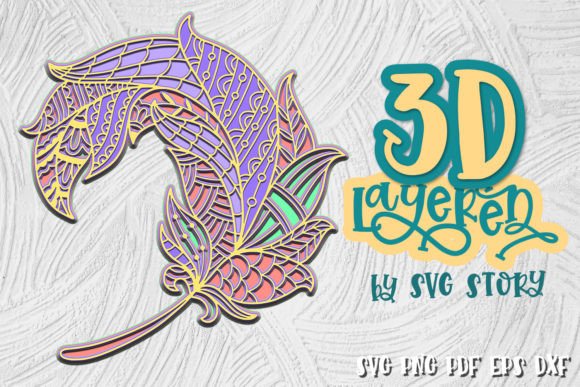
A 3D feather layered design is more than just an aesthetic choice; it's a method of structuring visual elements in a way that adds depth, texture, and complexity to any project. The design mimics the natural form of feathers, which are known for their delicate yet strong structure and beautiful patterns. In digital art, this translates into multi-layered visuals that create a sense of realism and sophistication.
These designs often consist of overlapping shapes and gradients that simulate the look of real feathers from different angles. Whether used for logos, illustrations, or decorative elements, they bring a unique touch to creative works by combining softness with dimensionality.
Supported File Formats for Implementation
To ensure compatibility and usability across a wide range of tools and platforms, the 3D Feather Layered Design comes in several file formats:
- SVG Files: Scalable Vector Graphics files are ideal for digital use because they maintain quality at any size. They're widely supported by cutting machines and graphic software.
- EPS Files: Encapsulated PostScript files are preferred in professional print environments due to their high resolution and vector-based nature.
- DXF Files: Designed primarily for CAD applications, these files allow for precise control over geometry, especially when working with laser cutters or CNC machines.
- PNG Files: Portable Network Graphics files provide transparent backgrounds and are commonly used for web graphics and digital displays.
All these formats are included in the package, ensuring that users have the flexibility to choose based on their specific needs and equipment. If you require additional specialized formats, the creators encourage direct contact to explore options.
Compatibility with Cutting Machines and Software
One of the most significant advantages of the 3D Feather Layered Design is its adaptability to various cutting machines and software. Since the design is compatible with SVG, EPS, DXF, and PNG formats, it can be easily imported into popular platforms like Cricut Design Space, Silhouette Studio, Adobe Illustrator, and CorelDRAW.
This seamless integration allows artists, educators, and business owners to leverage the design without facing technical barriers. The hand-drawn origin of the design ensures that each layer is smooth and well-defined, making it suitable for both fine detail work and large-scale production.
Use Cases Across Different Industries
The versatility of 3D Feather Layered Designs makes them applicable in multiple fields. Here are some notable use cases:
- Graphic Design and Branding: These designs are excellent for creating unique logos or branding elements that stand out. Their layered appearance gives brands a modern and artistic edge.
- Home Decor and Crafts: Artists and crafters can use these designs to produce custom wall art, stickers, or even fabric prints. The layered effect adds a tactile feel when printed or cut onto materials like wood or metal.
- Education and Presentation Materials: Educators can incorporate 3D feather designs into slides, posters, or educational kits to enhance visual appeal and engage students effectively.
- Business Applications: Companies in the retail or service sector might use these designs for signage, packaging, or promotional items to create a memorable brand presence.
Each application benefits from the design’s ability to blend creativity with functionality, offering a fresh approach to visual storytelling and product design.
Technical Considerations Before Use
While the 3D Feather Layered Design offers numerous creative possibilities, there are some technical aspects to consider before implementation:
- Software Compatibility: Ensure your design or cutting software supports the selected file format. Some programs may not fully recognize layered elements unless properly configured.
- Hardware Requirements: For those using physical cutting machines, verify that the device is up-to-date and capable of handling complex vector paths.
- File Extraction: All files are archived in ZIP format. It’s essential to have a reliable decompression tool installed on your computer to access them efficiently.
By addressing these considerations upfront, users can avoid delays and ensure a smooth workflow when bringing their designs to life.
Design Advantages and Unique Features
The 3D Feather Layered Design stands out for several reasons:
- High Detail and Realism: The layered structure allows for the depiction of subtle textures and shading, giving the final output a lifelike appearance.
- Customizability: Each design is scalable and editable, enabling users to adjust colors, sizes, and layout to fit their specific vision.
- Time Efficiency: Unlike traditional hand-cutting methods, digital formats enable quick and accurate reproduction of the design, saving time while maintaining quality.
- Creative Flexibility: With support for multiple formats, the design can be adapted for screen printing, laser cutting, embroidery, and more.
These features make the design not only visually appealing but also highly practical for a wide array of projects.
Implementing the Design in Real-World Projects
When implementing the 3D Feather Layered Design, it's important to start with a clear understanding of the intended outcome. For instance, if you’re planning to create a logo for a fashion brand, the feather motif could symbolize elegance and lightness. When printed as layered vinyl for a home décor piece, the design brings a sense of luxury and craftsmanship.
Consider the material you're working with. A feather design on paper will look very different from one etched into glass or engraved on wood. Testing the design on a small sample before full production can help identify how the layers interact with the medium and what adjustments might be necessary.
Additionally, the design can be combined with other motifs or text to create a cohesive theme. Think about color palettes that complement the design—soft pastels might evoke a whimsical vibe, while bold black and gold could suggest sophistication and power.
Tips for Optimizing the Design Workflow
Working with layered designs requires attention to detail and organization. Here are some tips to streamline the process:
- Layer Management: Keep track of each layer in your design software. Labeling them clearly can help prevent confusion during editing or exporting.
- Test Cuts and Prints: Always perform a test run before finalizing a project. This helps catch errors early and ensures the best results.
- Optimize File Size: Large file sizes can slow down software performance. Simplify unnecessary details where possible without compromising the overall look.
- Export Settings: Choose appropriate export settings depending on the final output. For example, high-resolution PNGs are better suited for digital displays, while vector-based SVGs are ideal for print and cutting.
By following these steps, you can maximize efficiency and achieve professional-quality results every time.
Why Choose Hand-Drawn 3D Feather Layered Designs?
Many digital assets available today are generated through automated processes, which can result in generic or repetitive visuals. However, the 3D Feather Layered Design is crafted manually, ensuring originality and uniqueness. This hand-drawn foundation means that the design carries a personal touch and artistic flair that mass-produced templates often lack.
Furthermore, the design has been refined to cut smoothly in most cutting machines. This level of optimization reflects the care taken in its creation, allowing users to focus on execution rather than troubleshooting.
Future Trends and Innovations in 3D Feather Design
As technology advances, so does the potential for 3D Feather Layered Designs. Emerging trends include the use of augmented reality (AR) to visualize how the design will appear in physical space before production. Additionally, AI-assisted customization tools may soon allow users to generate variations of the design with minimal effort, preserving the hand-crafted essence while increasing scalability.
There is also growing interest in sustainable materials for cutting and printing. As eco-conscious consumers seek greener alternatives, designers are exploring biodegradable substrates and energy-efficient printing methods that align with these values.
Conclusion: Enhancing Creativity with 3D Feather Layered Design
In summary, the 3D Feather Layered Design represents a powerful tool for anyone looking to elevate their creative projects. Its combination of detailed aesthetics, cross-format compatibility, and hand-drawn authenticity sets it apart from conventional digital assets. Whether you're an educator preparing engaging materials, a professional crafting a brand identity, or a hobbyist experimenting with new techniques, this design offers something for everyone.
Before purchasing or downloading the design files, remember to check your system for ZIP extraction capabilities and confirm the suitability of the chosen format for your machine or software. With proper preparation, the 3D Feather Layered Design can become a cornerstone of your creative toolkit, helping you deliver stunning, high-quality results with ease.