Colorful Fluid Shapes: A Modern Design Element for Creative Projects
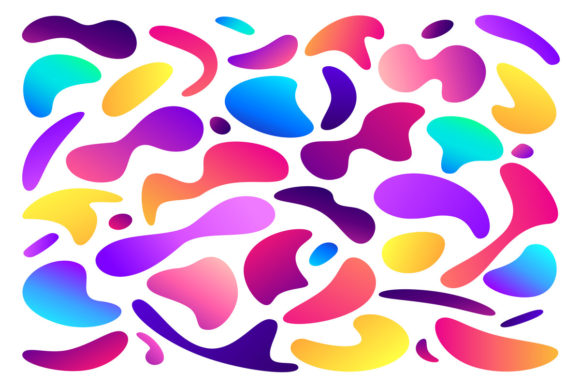
Colorful Fluid Shapes have become a popular visual motif in modern graphic design, especially among those who seek dynamic and expressive aesthetics. These elements are characterized by their smooth, flowing forms and vibrant color transitions that mimic the movement of liquids or abstract splashes. They often incorporate liquid doodle shapes, abstract splash gradients, and even vaporwave 3D hologram design patterns, making them versatile for a range of creative applications.
What Are Colorful Fluid Shapes?
Colorful Fluid Shapes refer to a category of digital illustrations that blend organic, amorphous designs with bold color palettes and fluid motion. These visuals typically appear as soft-edged, gradient-filled forms that resemble watercolor splashes, liquid drips, or digital waves. The term also includes stylized vector isolated symbols that maintain the same aesthetic but can be manipulated independently within a design layout.
Such designs are commonly delivered as high-resolution product files, like a single JPEG file at 4500x4500 pixels, ensuring clarity and adaptability across various platforms and print materials. For designers who want to modify or separate individual components, these files are often best edited using a vector-based software such as Adobe Illustrator.
Why Are People Interested in Colorful Fluid Shapes?
Designers and artists are drawn to Colorful Fluid Shapes because they offer an intuitive way to convey emotion, energy, and movement without relying on traditional realism. Their abstract nature makes them ideal for projects where creativity and visual interest are key. Whether used in branding, web design, or editorial layouts, these shapes add a contemporary flair that resonates with audiences seeking innovation and originality.
Moreover, the popularity of vaporwave and futuristic design trends has influenced the demand for such elements. The dynamic wave of a fluid gradient evokes a sense of digital nostalgia and otherworldly aesthetics that align well with these movements.
Benefits of Using Colorful Fluid Shapes
- High Visual Impact: The vivid colors and flowing forms create an engaging focal point, drawing attention and enhancing the overall visual appeal of a project.
- Flexibility in Use: Available in formats like JPEG or vector sets, these designs can be adapted for both digital and print media, from social media graphics to packaging materials.
- Emotional Expression: Abstract and fluid shapes are excellent tools for communicating feelings or themes—such as freedom, transformation, or chaos—visually without the need for text.
- Modern Aesthetic Appeal: Their alignment with current design trends, including vaporwave and digital art, ensures that they remain relevant and visually fresh.
Tradeoffs and Considerations
While Colorful Fluid Shapes bring many advantages, there are also several factors to consider before incorporating them into your work:
- Contextual Fit: These shapes may not suit every project. In professional or minimalist environments, their abstract and sometimes chaotic appearance could clash with the desired tone.
- File Format Limitations: If you receive the design as a JPEG rather than a vector file, editing individual components becomes more challenging. You’ll need to use tools like Adobe Illustrator to isolate and adjust elements if necessary.
- Color Overload: Because of their intense gradients and color saturation, using too many fluid shapes in one composition can overwhelm the viewer or dilute the message being conveyed.
- Printing Challenges: While high-resolution JPEGs are suitable for many print applications, the complexity of gradients might affect how they render on certain types of printers or substrates.
When to Use Colorful Fluid Shapes
Colorful Fluid Shapes are particularly effective in the following scenarios:
- Creative Branding: For startups or brands targeting younger, trend-conscious demographics, these shapes can help establish a unique identity.
- Digital Art and Backgrounds: Used as background elements or full-bleed designs, they provide a rich, immersive experience in web banners, app interfaces, and digital posters.
- Editorial and Editorial Illustration: When illustrating concepts related to change, fluidity, or emotion, abstract fluid shapes serve as compelling visual metaphors.
- Vaporwave and Futuristic Themes: These shapes complement the neon-lit, dreamlike visuals typical of vaporwave and cyberpunk-inspired designs.
- Marketing Campaigns: In campaigns focused on technology, health, wellness, or artistic expression, Colorful Fluid Shapes can evoke a sense of innovation and vitality.
When to Consider Alternatives
Despite their strengths, there are situations where Colorful Fluid Shapes might not be the best choice:
- Corporate or Formal Environments: Businesses with a conservative brand image may find these shapes too avant-garde or distracting for official communications.
- Projects Requiring Clarity: In cases where the design needs to prioritize readability—such as infographics or data visualization—fluid shapes may hinder the user’s ability to process information quickly.
- Budget Constraints: High-quality, editable vector versions often require licensing fees or premium design assets, which could be a consideration for smaller teams or independent creators.
- Traditional Print Work: Some printing methods struggle with complex gradients or translucent effects, potentially affecting the final output quality unless carefully managed.
Practical Insights for Designers and Content Creators
When evaluating whether Colorful Fluid Shapes fit your project, consider the following practical steps:
- Define Your Project Goals: Ask yourself what message you want to communicate. If it's about creativity, transformation, or emotional impact, fluid shapes could be a strong match.
- Assess Your Audience: Know who will see your design. Younger or tech-savvy audiences tend to respond positively to abstract and vibrant visuals.
- Test Different Formats: If you're working with a JPEG file, test its performance in different contexts before finalizing your design. Remember that scaling and color consistency may vary.
- Balance the Composition: Avoid overusing fluid shapes. Pair them with solid elements or minimal typography to maintain visual harmony and focus.
- Use Vector Editors for Customization: If you need to edit or repurpose parts of the design, ensure you have access to a vector editor like Adobe Illustrator to manipulate isolated symbols effectively.
Expectations and Best Practices
When using Colorful Fluid Shapes, it's important to set realistic expectations. These designs are most impactful when used intentionally and sparingly. Expect some challenges in integrating them with more structured layouts, especially if you’re combining them with text-heavy content or rigid geometric elements.
To make the most of these shapes, follow these best practices:
- Layer Thoughtfully: Use them as overlays or backgrounds rather than primary content elements to avoid clutter.
- Respect File Quality: Ensure the resolution is appropriate for your intended use. A 4500x4500 pixel JPEG is generally sufficient for most print and digital applications, but check specific requirements for clarity.
- Stay Trend-Aware: Monitor design trends to understand when fluid shapes might fall out of favor or be better suited to a particular niche.
- Experiment with Combinations: Try pairing them with other abstract motifs or textures to enhance depth and visual storytelling.
Conclusion
Colorful Fluid Shapes offer a powerful tool for designers aiming to inject movement, vibrancy, and modernity into their projects. Their abstract and gradient-driven nature allows for a wide range of interpretations and uses, from digital art to marketing collateral. However, their effectiveness depends heavily on context, audience, and the balance they achieve within the overall design.
If you're considering this style for your next project, ask yourself whether it supports your message and enhances the user experience. With thoughtful application and proper editing tools, Colorful Fluid Shapes can elevate your creative output and leave a lasting impression. But if your goal is clarity, simplicity, or a more traditional look, it may be time to explore alternative design approaches that align better with your vision.