Modern 3D Shapes Background Design: A Dynamic Element for Contemporary Creativity
In today’s fast-paced digital world, visual content is more important than ever. Whether you’re designing a website, creating marketing materials, or developing a presentation, the right background can make all the difference. Modern 3D shapes background design has emerged as a powerful tool in this space, offering a fresh and innovative approach to enhancing aesthetics while maintaining professionalism. With its clean lines, geometric depth, and diagonal composition, it aligns perfectly with current design sensibilities and user expectations.
The Rise of 3D Shapes in Background Design
Background design has evolved significantly over the past decade. Once dominated by flat, two-dimensional elements, it now embraces dimensionality and movement. The shift toward modern 3D shapes backgrounds reflects a broader trend in UI/UX and graphic design—where depth and perspective are used to create immersive experiences. These designs not only catch the eye but also guide the viewer's attention subtly through layered geometry and spatial contrast.
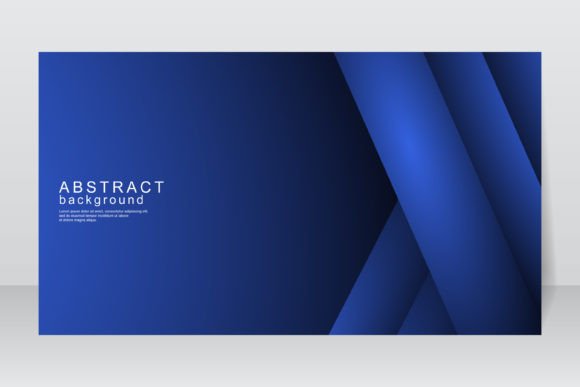
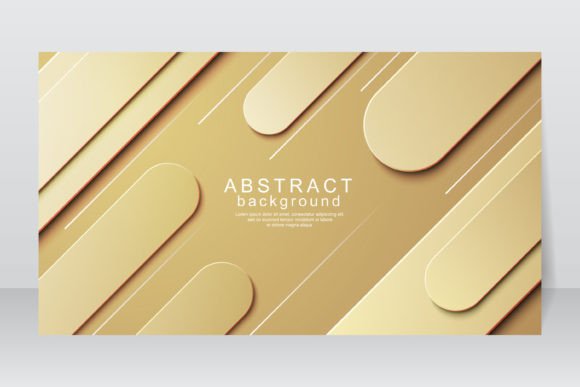
The diagonal style adds an extra layer of dynamism. Unlike traditional horizontal or vertical layouts, diagonal arrangements evoke motion and energy. This makes them ideal for backgrounds that need to inspire action, such as landing pages, app interfaces, or promotional banners. Their asymmetrical nature brings a sense of balance without monotony, appealing to both creators and end-users who crave visual interest.
Why Modern 3D Shapes Backgrounds Are Relevant Today
Modern audiences are visually sophisticated. They expect content that feels fresh, interactive, and aligned with contemporary trends. A 3D shapes background meets these expectations by blending minimalism with creativity. It offers enough detail to be engaging without overwhelming the primary content, making it versatile across industries—from tech startups to fashion brands.
Moreover, the use of 3D shapes allows for greater customization. Designers can manipulate forms, colors, and angles to match brand identities or specific project needs. This adaptability is especially valuable in a market where personalization is key. For businesses looking to stand out, integrating such backgrounds into their digital assets provides a subtle yet effective way to elevate their visual communication.
Trends Shaping the Demand for 3D Shape-Based Designs
The popularity of 3D shapes in background design is tied closely to several ongoing trends:
- Minimalist Design Movement: Clean, uncluttered visuals are still in high demand, but they now incorporate subtle 3D elements to add depth and character.
- Flat Design Evolution: While flat design remains relevant, it’s being enhanced with soft shadows, gradients, and geometric overlays to create what many call "flat 3D" aesthetics.
- Mobile-First Approach: With more users accessing content on mobile devices, responsive and scalable designs are essential. 3D shapes, particularly when arranged diagonally, offer flexibility and performance across screen sizes.
- Immersive Digital Experiences: As virtual and augmented reality gain traction, even basic web and print design benefit from 3D-inspired elements that hint at interactivity.
These shifts have led to a growing appreciation for modern 3D shapes backgrounds that combine simplicity with sophistication. They help maintain a cohesive visual language across platforms while adding a touch of innovation that sets projects apart.
Practical Applications Across Industries
Professionals in various fields are adopting 3D shape-based backgrounds to enhance their work. Here are a few examples:
Web Development and UX/UI
Websites and apps often use 3D shape backgrounds to add visual hierarchy. Diagonal arrangements can suggest directionality, guiding users’ eyes from one section to another. When paired with bold typography or vibrant imagery, these backgrounds become integral to storytelling and navigation.
Marketing and Branding
Marketers leverage 3D shapes to create memorable campaigns. A well-designed background can reflect a brand’s personality—whether it’s sleek and professional or playful and experimental. The diagonal layout introduces a sense of forward momentum, which can be especially useful in promotional materials aiming to convey progress or innovation.
Graphic Design and Print Media
Print designers are also embracing 3D elements. From brochures to posters, using geometric layers helps create a tactile feel even in static media. The diagonal composition ensures that printed materials don’t appear rigid or outdated, instead projecting a modern, dynamic presence.
Education and Presentations
Educators and presenters use these backgrounds to keep slides visually stimulating. A diagonal 3D shapes background can break up dense text and diagrams, helping to maintain audience engagement. It supports a structured flow while keeping the look fresh and modern.
What You Get and How to Use It
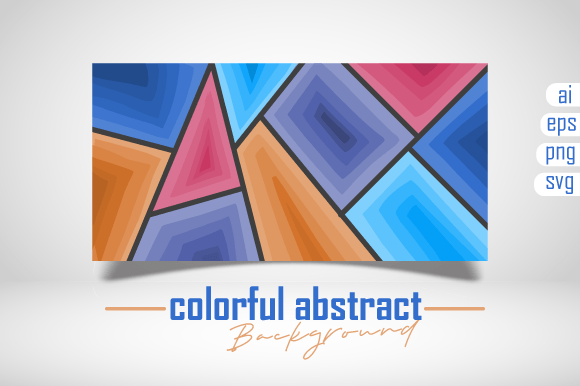
When you choose a modern 3D shapes background with a diagonal style, you're investing in a versatile design element. Most packages, like those available at CLton Studio, include multiple file formats to suit different needs:
- AI Format (Adobe Illustrator): Perfect for designers who want full control over individual elements. Edit colors, adjust shapes, and scale without losing quality.
- EPS Format: Ideal for printing or embedding in vector-based workflows. Ensures crisp output at any size.
- JPEG Format: Ready-to-use for digital applications like websites, social media, and presentations. Offers a quick solution for those who prefer pre-rendered files.
This variety ensures that whether you're working in a creative studio or on your own laptop, you have the tools needed to integrate the design seamlessly into your projects. The diagonal arrangement of 3D shapes allows for easy adaptation—simply rotate, reposition, or overlay content to fit your unique vision.
Designing with Purpose: Tips for Effective Use
To get the most out of your modern 3D shapes background, consider the following best practices:
- Balance Simplicity and Depth: Avoid cluttering the background with too many shapes. Let the design complement—not compete with—your main content.
- Match Color Schemes: Choose a background that aligns with your brand colors or project theme. Subtle color variations in the 3D shapes can enhance the overall harmony.
- Optimize for Readability: Ensure that text and icons placed over the background remain legible. Adjust opacity or add white space if necessary.
- Experiment with Layouts: The diagonal orientation opens up new possibilities for arranging elements. Try placing key components along the implied axis for a more intuitive flow.
For instance, a freelance designer might use a diagonal 3D shapes background to create a portfolio that feels modern and innovative. A blogger could apply it to headers and hero sections to give their site a polished edge. Even small business owners can benefit by using it in email templates or product showcases to reinforce a professional image.
How Technology is Enabling Creative Growth
Advancements in design software and rendering capabilities have made it easier than ever to work with 3D elements. Tools like Adobe Illustrator, Blender, and Canva allow for the creation and manipulation of complex geometries with just a few clicks. This accessibility has democratized design, enabling freelancers and entrepreneurs to produce high-quality visuals without requiring advanced technical skills.
Furthermore, AI-driven design assistants are beginning to understand how to generate and optimize 3D compositions based on user input. This means that even non-designers can explore the potential of 3D shapes backgrounds with minimal effort. As technology continues to evolve, we can expect even more intuitive ways to incorporate these designs into everyday workflows.
Looking Ahead: The Future of Background Design
While the future of design is always shifting, one thing is clear—users will continue to favor visuals that feel alive and intentional. Modern 3D shapes backgrounds are likely to remain a staple in creative projects due to their ability to blend form and function. As attention spans shrink and competition for visual impact grows, these backgrounds provide a smart, scalable solution.
Expect to see more integration with animation and micro-interactions in the coming years. A static 3D shape background might soon come to life with hover effects or scrolling animations, further enriching the user experience. However, the core principles—clean design, strategic placement, and thoughtful use of space—will stay constant.
Final Thoughts on Choosing the Right Design
Selecting the right background isn't just about looks—it's about usability, alignment, and purpose. A modern 3D shapes background with a diagonal style is more than a decorative element; it's a strategic choice that enhances clarity, guides focus, and adds a touch of sophistication. Its relevance is rooted in both artistic evolution and practical application, making it a must-have for professionals across disciplines.
If you're ready to bring your creative projects into the next era of design, consider incorporating a 3D shapes background into your toolkit. At CLton Studio, you’ll find options tailored for scalability and adaptability, ensuring your work stays ahead of the curve. Thank you for choosing our shop—elevate your designs with confidence and clarity today.