Colorful 3D Abstract Background Design: A Versatile Creative Tool for Modern Projects
What Is a Colorful 3D Abstract Background?
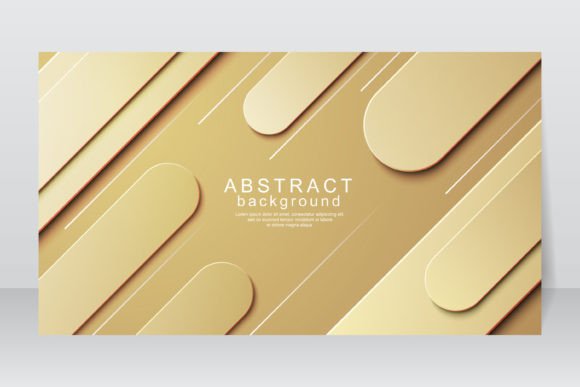
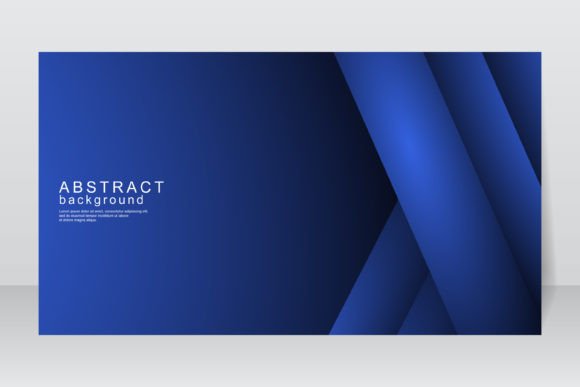
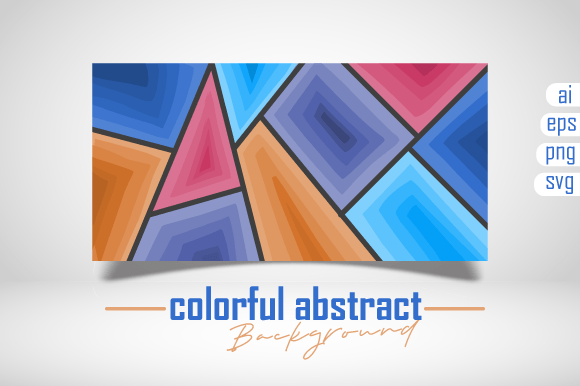
A colorful 3D abstract background design is a visually striking digital artwork that uses vibrant colors, geometric shapes, and three-dimensional effects to create a dynamic and eye-catching backdrop. Unlike traditional backgrounds, which often rely on realistic imagery or simple gradients, abstract 3D designs are imaginative and artistic, allowing for endless customization and application.The Purpose and Significance of 3D Abstract Backgrounds
In today’s fast-paced digital world, visual appeal plays a crucial role in capturing attention. Whether you're designing a website, creating marketing collateral, or producing a video, having a memorable and engaging background can significantly enhance the overall experience for your audience.
- Enhances Aesthetics: Colorful 3D abstract backgrounds add depth and vibrancy to any project, making it more attractive and modern.
- Supports Branding: These designs can reflect a brand's personality through color schemes and styles, helping to reinforce identity and recognition.
- Encourages Creativity: By offering a unique canvas, they inspire designers to think outside the box and experiment with different elements.
- Increases Professionalism: High-quality 3D abstract backgrounds elevate the look of digital and printed content, giving it a polished and professional finish.
Why Use Vector-Based 3D Abstract Backgrounds?
One of the most important features of the colorful 3D abstract background design mentioned here is that it is a vector file. This means the design is created using mathematical equations rather than pixels, resulting in a scalable image that maintains quality at any size.
- Editable Elements: With formats like AI (Adobe Illustrator), EPS, and SVG, you can easily modify the background—changing colors, shapes, or layout to suit your specific needs.
- Perfect for Print and Digital Media: Vector files ensure crisp visuals whether you're printing posters or displaying them on high-resolution screens.
- Compatibility Across Platforms: These formats are widely supported by major design software such as Adobe Illustrator, Inkscape, and Photoshop, making them accessible to both beginners and professionals.
Applications of Colorful 3D Abstract Backgrounds
Due to their flexibility and visual impact, these backgrounds can be applied across various mediums and industries. Here are some common use cases:
1. Video Production
In motion graphics or video editing, a colorful 3D abstract background can serve as a dynamic backdrop for titles, transitions, or intros. Its layered and animated potential allows creators to add movement and interest without distracting from the main content.
2. Web and UI/UX Design
For websites, apps, or user interfaces, these backgrounds help set the tone and mood. For example, a tech startup might use a sleek, glowing 3D abstract pattern to communicate innovation and creativity.
3. Social Media and Marketing
Eye-catching 3D abstract backgrounds are ideal for social media posts, advertisements, and promotional materials. Their bold nature helps stand out in crowded feeds and grabs viewer attention quickly.
4. Print Materials
From business cards and brochures to posters and packaging, this design can be adapted to fit different print requirements. Its high resolution (e.g., PNG at 300ppi) ensures that it looks sharp and professional when printed.
5. Educational Content
Abstract backgrounds can make educational materials more engaging. Teachers and educators often use them in slideshows or infographics to present complex ideas in a visually appealing way.
How to Choose the Right File Format for Your Project
Selecting the appropriate file format is essential for ensuring compatibility and ease of use. Here’s a breakdown of the available formats for this design:
- AI (Adobe Illustrator): Best for detailed editing and layer manipulation. Ideal for designers who want full control over individual elements.
- EPS (Encapsulated PostScript): Great for print projects and logos. It supports scalability and is compatible with many design tools.
- SVG (Scalable Vector Graphics): Perfect for web-based applications and responsive design. SVG files are lightweight and can scale without losing quality.
- PNG (Portable Network Graphics): Offers a high-resolution raster version (2000px x 1000px, 300ppi). Useful for final outputs where pixel precision matters, such as digital displays or online banners.
Each format serves a specific purpose, so choosing the right one depends on how you plan to use the background. For maximum versatility and future edits, consider working with the AI or EPS versions first before exporting to other formats.
Design Tips for Using 3D Abstract Backgrounds Effectively
To get the most out of your colorful 3D abstract background, consider the following best practices:
Keep the Focus Balanced
While these backgrounds are visually rich, it’s important not to overwhelm the foreground content. Use contrast and layering techniques to ensure text or images remain legible and prominent.
Experiment with Color Schemes
Abstract 3D designs often feature multiple hues and gradients. Adjusting the color palette to match your brand or project theme can create a more cohesive and professional result.
Layer Smartly
If the background includes multiple layers (as many vector files do), take advantage of this to build custom variations. You might change the depth of certain elements or add transparency to highlight key areas.
Match the Mood
Consider the emotional tone of your project. A warm, pastel abstract design might be suitable for a wellness campaign, while neon-colored patterns could work better for a music festival poster.
Where Can You Find Beautiful 3D Abstract Designs?
With so many options available online, finding the perfect 3D abstract background can feel overwhelming. However, there are several platforms where you can discover high-quality, royalty-free designs. One great place to start is by exploring the design store of a talented creator who offers a wide range of beautiful 3D abstract backgrounds and patterns.
These stores often provide previews, download links, and usage rights information, helping you choose a design that fits your project requirements. Additionally, many offer editable vector files, which allow for greater customization and adaptability.
Follow for More Creative Inspiration
Design trends evolve constantly, especially in the realm of 3D and abstract art. To stay ahead of the curve and continue building your creative toolkit, it’s wise to follow artists and designers who regularly update their portfolios. Not only will you gain access to new and exciting designs, but you’ll also learn about emerging techniques and tools in the field.
By following your favorite creators, you can receive timely updates and inspiration to keep your projects fresh and innovative. Many designers also share tips, tutorials, and behind-the-scenes insights into their process, which can be incredibly valuable for both newcomers and seasoned professionals.
Common Misconceptions About 3D Abstract Backgrounds
Despite their popularity, there are still some misconceptions about using 3D abstract backgrounds. Let’s clarify a few of them:
- Misconception 1: “They’re too flashy for serious projects.” Reality: While some abstract designs may appear playful, others have a minimalist and elegant feel. The right design can complement almost any theme or message.
- Misconception 2: “Only advanced users can edit vector files.” Reality: Many vector formats come with intuitive layers and components, making them easy to adjust even for those with basic design skills.
- Misconception 3: “All 3D backgrounds look the same.” Reality: There is a vast variety of styles, from geometric to fluid, and from soft gradients to bold neon contrasts. Exploring different collections can reveal unique and diverse options.
Integrating 3D Abstract Backgrounds into Everyday Work
Whether you're a student, freelancer, or small business owner, incorporating 3D abstract backgrounds into your daily work can bring a new level of professionalism and flair. For instance:
- A teacher might use one in a presentation to make lessons more engaging.
- A small business could apply it to a product catalog or website banner.
- An influencer might choose it as a backdrop for Instagram stories or YouTube thumbnails.
These designs are not limited to any one industry or skill level. With the right tools and understanding, anyone can leverage them to enhance their visual communication.
Conclusion
A colorful 3D abstract background design is much more than just a decorative element—it's a powerful tool for visual storytelling, branding, and creative expression. From digital platforms to print materials, its adaptability makes it a must-have asset in any designer’s library.
Thanks to its vector-based nature, you can customize every detail to match your vision. And with support for multiple file formats, including AI, EPS, SVG, and PNG, it’s ready to be used across a wide range of applications.
So, if you're looking to add a touch of modernity and creativity to your next project, don’t hesitate to explore the possibilities of 3D abstract backgrounds. Check out the latest collection at my store, and be sure to follow for upcoming releases and exclusive designs.