3D Christmas Decorative Design of Glass: A Creative and Practical Choice
As the holiday season approaches, many people look for unique ways to decorate their homes and spaces. One innovative option gaining popularity is the 3D Christmas decorative design of glass. These designs combine artistic flair with modern digital tools, offering a versatile and visually striking way to celebrate the festive spirit. Whether you're an interior designer, a DIY enthusiast, or someone simply looking to add a touch of elegance to your holiday decor, understanding what 3D glass designs are and when they might be the right choice can help you make informed decisions.
What Is a 3D Christmas Decorative Design of Glass?
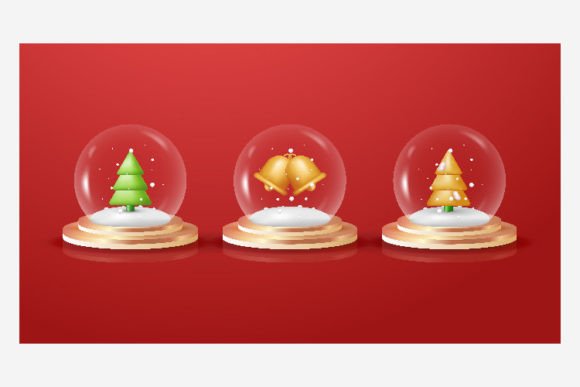
A 3D Christmas decorative design of glass refers to a visual layout that simulates depth and dimensionality using glass as the primary material. These designs are often used in windows, doors, or glass panels to create intricate holiday scenes such as snowflakes, angels, reindeer, or nativity setups. The three-dimensional effect gives the artwork a more immersive and lifelike appearance compared to traditional two-dimensional illustrations.
These designs are typically created using vector-based software like Adobe Illustrator, which allows for precise lines and scalable shapes. Once finalized, the files can be exported in various formats suitable for printing or cutting into real glass using CNC machines or laser cutters. This method ensures clarity and detail while maintaining flexibility for customization and reuse.
Why Are People Interested in 3D Glass Designs for Christmas?
- Unique Visual Appeal: The 3D effect adds depth and realism, making the decorations stand out from flat stickers or paper cutouts.
- Customization Potential: With digital design files, users can modify colors, sizes, and elements to suit their personal style or brand identity.
- High-Quality Output: Vector graphics ensure sharp edges and clean lines, especially important for glass work where precision matters.
- Reusability: Unlike temporary decorations, glass etchings or cuts can be reused year after year, making them a sustainable option.
- Professional Applications: Businesses and event planners use these designs to enhance storefronts, party venues, or seasonal displays.
Key Benefits of Using 3D Christmas Decorative Design of Glass
One of the main advantages of working with a 3D Christmas decorative design of glass is the level of detail it can achieve. Because these designs are crafted digitally using Adobe Illustrator, every element can be adjusted for accuracy before being applied to the physical medium. This makes it ideal for those who want a polished and professional result without the need for advanced drawing skills.
Another benefit is the variety of file types included. Most packages provide EPS files for editing in Adobe Illustrator, JPG previews for quick visualization, and support for RGB color settings. This flexibility allows designers to experiment with different looks and adapt the design to various lighting conditions or backgrounds.
The high-quality nature of these designs also ensures that they hold up well over time. When printed on durable materials or cut into tempered glass, the artwork remains vibrant and intact through multiple seasons. For businesses, this means consistent branding and attractive displays throughout the holidays without frequent replacements.
Tradeoffs and Considerations
While 3D glass designs offer numerous benefits, there are some factors to consider before committing to this approach. First, the process of applying the design to actual glass may require specialized equipment such as a laser cutter or engraving machine. If you don’t have access to such tools, you may need to partner with a local workshop or invest in one yourself.
Second, creating a 3D illusion requires careful layering and perspective planning. While Adobe Illustrator makes this easier, achieving the desired depth still demands a basic understanding of design principles. Beginners may find it challenging to replicate the same effect without guidance or tutorials.
Lastly, the cost of production can vary depending on the complexity of the design and the size of the glass piece. Simple patterns may be affordable, but highly detailed 3D scenes could require more time and resources to produce accurately.
When a 3D Christmas Decorative Design of Glass Is a Strong Fit
If you’re aiming for a high-end, custom look for your holiday decorations, a 3D glass design is likely a strong fit. Here are some situations where this type of design excels:
- Commercial Spaces: Stores, restaurants, and hotels often use 3D glass art to attract customers and create a festive ambiance without cluttering the space.
- Architectural Projects: Interior designers working on permanent installations, such as lobby windows or glass partitions, can integrate these designs seamlessly into the structure.
- Gift Shops or Specialty Retailers: Businesses that sell holiday-themed products can use 3D glass decorations as part of window displays or signage to highlight their offerings.
- Residential Use: Homeowners with large windows or glass doors can personalize their holiday decor by having custom 3D scenes etched or cut into the glass.
- Event Venues: Wedding halls, banquet centers, or community buildings hosting holiday events can use these designs to transform spaces quickly and elegantly.
When to Consider Alternatives
Despite its appeal, a 3D Christmas decorative design of glass may not always be the best solution. In certain cases, alternatives like vinyl decals, acrylic prints, or even traditional hand-painted glass could be more appropriate. For example:
- Budget Constraints: If cost is a major concern, simpler 2D designs or temporary adhesive options might be more economical.
- Limited Timeframe: Projects that require fast setup may benefit from pre-made templates rather than custom-cut glass pieces.
- Portability Needs: If you plan to move the decoration frequently, glass may not be practical due to its fragility. Acrylic or lightweight materials are better suited for portable displays.
- Beginner Skill Levels: Those unfamiliar with Adobe Illustrator or digital design workflows might prefer ready-to-use templates or outsourced services to avoid the learning curve.
Practical Tips for Decision-Making
To determine if a 3D Christmas decorative design of glass aligns with your goals, start by evaluating your specific needs. Ask yourself the following questions:
- Do I need something that lasts multiple years and maintains its quality?
- Am I comfortable using Adobe Illustrator or hiring someone who is?
- Is the location where I’ll install the design safe from damage or weather exposure?
- Can I afford the upfront costs associated with laser cutting or engraving?
Additionally, consider the intended audience and purpose of the design. If you're decorating for a public display or commercial setting, investing in a durable and eye-catching 3D glass design can pay off. However, for private homes or short-term projects, more flexible and cost-effective options may be preferable.
It's also wise to review sample designs or request a JPG preview before finalizing any purchase. This allows you to assess how the 3D elements translate into the final product and whether they match your vision.
Final Thoughts
A 3D Christmas decorative design of glass offers a compelling blend of artistry and functionality. Created with Adobe Illustrator, it provides editable EPS files, RGB color support, and a high-quality output that stands the test of time. These designs are particularly useful for professionals and enthusiasts who value customization, durability, and a modern aesthetic.
However, the decision to use 3D glass should be based on your project scope, budget, and technical capabilities. If you're looking for something that’s easy to apply and change, other materials might be more suitable. On the other hand, if you want a lasting, elegant addition to your holiday decor, a 3D glass design could be the perfect solution.
Ultimately, the key to choosing the right decoration lies in understanding your priorities and matching them with the strengths of each available option. By carefully weighing the pros and cons, you can select a design that enhances your space while staying within your practical and financial limits.