Double Tuck Corrugated Box Dieline: A Practical Guide for Custom Packaging
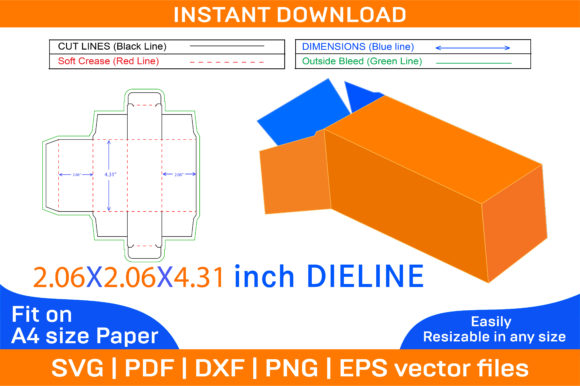
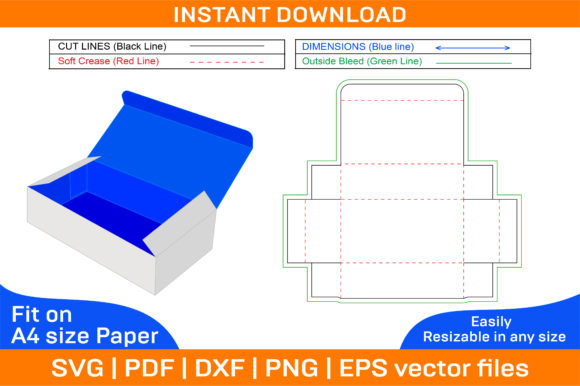
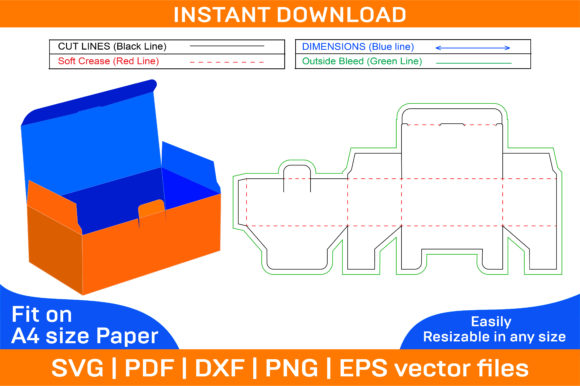
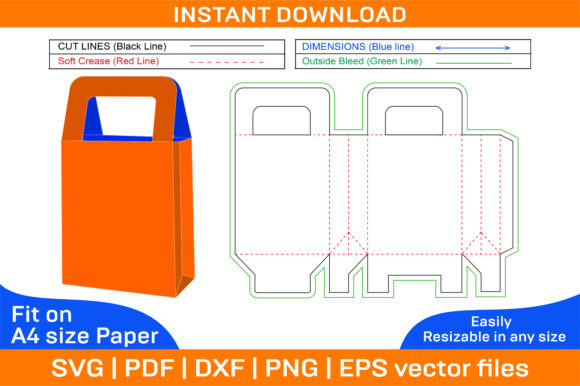
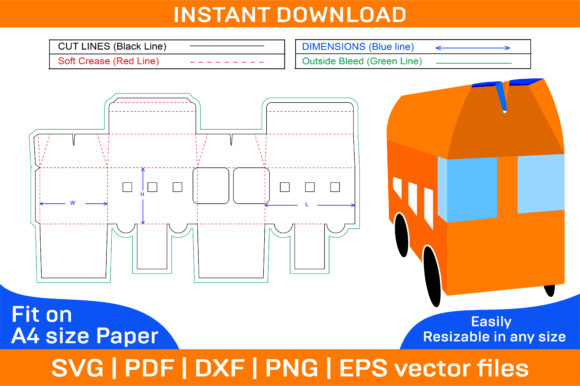
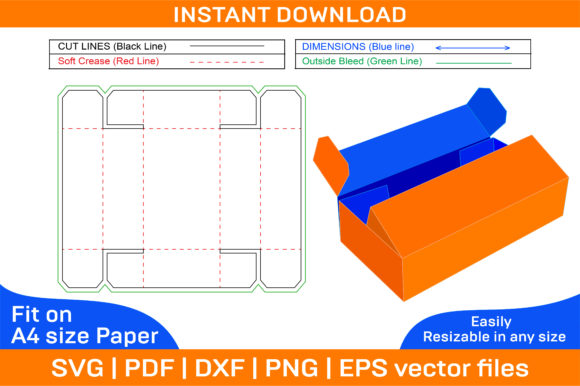
The Double Tuck Corrugated Box Dieline is a design template used in the creation of folding boxes made from corrugated cardboard. This dieline includes all the necessary measurements, crease lines, and tucking flaps that allow the box to be folded correctly and securely. The term "double tuck" refers to the specific method by which two flaps are tucked into each other to form a stable base or closure, commonly used in retail packaging for items like electronics, cosmetics, and food products.
What Makes the Double Tuck Design Unique?
Unlike simple fold-and-lock designs, the double tuck structure offers enhanced stability and durability. It features an inner flap that folds behind an outer flap, ensuring a snug fit and minimizing the risk of the box coming apart during transit or handling. This design is particularly effective for boxes that require a clean, professional appearance with secure closure without the use of glue or tape.
When combined with corrugated material, the double tuck dieline becomes even more valuable. Corrugated cardboard provides strength and cushioning, making it ideal for shipping and protecting contents. The dieline serves as the blueprint for cutting and folding this material into a finished box.
Why Consider Using a Double Tuck Corrugated Box Dieline Template?
Many designers, manufacturers, and small businesses find themselves in need of custom corrugated boxes but lack the time or resources to create them from scratch. A ready-made Double Tuck Corrugated Box Dieline template solves this problem by providing a pre-structured layout that can be easily customized. These templates often come in various file formats such as SVG, PDF, EPS, DXF, AI, and PNG, ensuring compatibility with most design software.
- Time Efficiency: Ready-to-use templates eliminate the need to start from zero, accelerating the design process significantly.
- Cost-Effectiveness: Avoid expensive custom tooling costs by using digital templates for prototyping or small-batch production.
- Flexibility: Templates typically include both color and blank versions, allowing you to choose your preferred printing style.
- High Quality: Files are usually vector-based and high-resolution (300 dpi), ensuring sharp edges and professional results regardless of print size.
Benefits of Using Vector-Based Templates
Vector-based files, such as SVG, AI, and EPS, offer significant advantages when working with box designs. Unlike raster images, vectors maintain clarity at any scale, making them suitable for both small prototypes and large-scale manufacturing. This scalability ensures that your printed box looks crisp whether you're using A4 paper or industrial-grade printing equipment.
Additionally, these files support easy editing. You can adjust dimensions, add branding elements, or modify the box shape using compatible software like Adobe Illustrator, Photoshop, Silhouette Studio, or AutoCAD. The ability to tweak the design while preserving its integrity is especially useful for businesses aiming to personalize their packaging without hiring specialized designers.
Considerations Before Choosing a Template
While a Double Tuck Corrugated Box Dieline template can be a powerful resource, there are several factors to consider before deciding if it's right for your needs:
- Material Compatibility: Ensure the template is designed for corrugated cardboard. Some templates may be optimized for single-wall or double-wall boards, which have different thicknesses and structural requirements.
- Printing Requirements: If you plan to print on your own, confirm that the template aligns with your printer's specifications. Most templates are set up for A4 paper, but adjustments may be needed for other sizes.
- Software Compatibility: Check that the included file types work with your design tools. The versatility of SVG and AI files makes them widely usable, but not all software supports every format.
- Design Complexity: Simple modifications are straightforward, but intricate customizations—such as adding cutouts or complex graphics—may require advanced skills or additional design time.
Situations Where the Double Tuck Corrugated Box Is a Strong Fit
This type of box is particularly well-suited for scenarios where aesthetics and functionality must coexist. For instance:
- Gift Boxes: The clean, closed look of a double tuck box is perfect for premium gift packaging, especially when paired with custom artwork or branding.
- Retail Displays: Businesses that require eye-catching, sturdy displays benefit from the structural integrity and professional finish provided by this design.
- E-commerce Packaging: As online shopping grows, so does the need for reliable, customizable packaging. The double tuck style allows for consistent quality and brand visibility across shipments.
- Custom Projects: Makers and hobbyists who enjoy DIY projects can use these templates to create unique foldable boxes for crafts, toys, or personal storage solutions.
When Alternatives May Be Worth Considering
Although the double tuck design is versatile, it may not always be the best option. Here are some situations where alternative box styles could be more appropriate:
- Heavy-Duty Applications: If the box will hold very heavy or fragile items, a fully glued or taped box might provide better protection than a double tuck style.
- Low-Cost Production: For extremely large quantities, investing in custom tooling could reduce per-unit costs more effectively than using a digital template.
- Non-Corrugated Materials: If you're working with solid board or thinner materials like chipboard, a different box structure may yield better results.
- Complex Shapes: If your project requires non-rectangular shapes or multiple compartments, a more specialized box design might be necessary.
Practical Insights for Decision-Making
Before purchasing a Double Tuck Corrugated Box Die Line Template, consider the following questions:
- Do I need a quick solution for a one-time or small-batch project?
- Am I looking to maintain a consistent brand image through custom packaging?
- Is my target audience likely to value a polished, professional-looking box?
- Will the box be used for shipping, display, or storage purposes?
Answering these questions can help determine whether a template-based approach fits your workflow and budget. For users who prefer flexibility over mass production, a downloadable template is an excellent choice. It also allows for rapid iteration and testing of different designs before finalizing a product.
Instant Access and Support
One of the key advantages of digital templates is instant download. Once purchased, the ZIP archive containing the SVG, PDF, EPS, DXF, AI, and PNG files is available immediately. This eliminates delays and enables you to begin your project right away.
If you encounter issues with the files or need guidance on how to customize them, many providers offer support to assist with troubleshooting. This level of accessibility is invaluable for those unfamiliar with packaging design or CAD software.
Conclusion
The Double Tuck Corrugated Box Dieline is a practical and versatile solution for anyone involved in packaging design, whether professionally or personally. By offering a structured yet customizable framework, it empowers users to create high-quality, durable boxes tailored to their specific needs. However, understanding your project’s requirements and limitations is essential in determining whether this template is the best fit.
For those seeking a balance between cost, speed, and quality, the availability of vector-based, high-resolution files in multiple formats makes it a compelling option. Just remember to assess your material, printing, and design capabilities before proceeding. With the right approach, this template can become a valuable asset in your packaging toolkit.