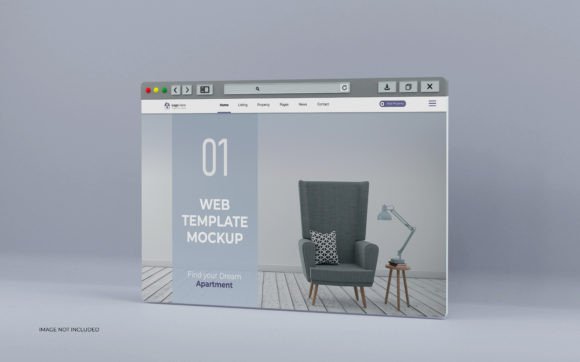
Web Interface 3D Rendering Mockup Design: A Practical Tool for Professional Presentations
In the world of digital design and branding, first impressions matter. Whether you're a startup founder pitching an idea, a marketing professional showcasing a campaign, or a creative agency presenting your latest work, visual clarity and polish can make all the difference. One tool that has gained traction among designers is the Web Interface 3D Rendering Mockup Design. This type of mockup allows users to present their web interfaces in a realistic, three-dimensional context—elevating the perceived professionalism and usability of their designs.
What Is Web Interface 3D Rendering Mockup Design?
A Web Interface 3D Rendering Mockup is a high-quality digital template that simulates how a website will look when implemented in a real-world setting. These mockups often feature lifelike devices such as smartphones, tablets, desktop monitors, and laptops displaying your web interface. The use of 3D rendering adds depth, lighting, and shadows, making the presentation visually engaging and more relatable to potential clients or stakeholders.
The primary purpose of these mockups is to help designers and developers visualize their work in a practical environment before deployment. Unlike flat mockups, 3D versions offer a more immersive experience by mimicking the way users interact with technology on a daily basis. This realism is especially useful when trying to convey the user experience (UX) and overall aesthetics of a web design project.
Key Features and Customization Options
Many Web Interface 3D Rendering Mockup Designs are built using Adobe Photoshop, which is widely regarded as one of the most powerful tools for graphic editing. These templates typically come with a resolution of 4000×3000 pixels, ensuring high clarity and print-ready quality. They also include features like:
- Adjustable Lighting and Shadows: Allows for fine-tuning the ambiance to match different environments or brand moods.
- Fully Editable Files: Users can modify elements such as text, images, and colors without compromising the structure of the mockup.
- Well-Organized Layers: Makes it easier to navigate and edit specific components of the design efficiently.
- Smart Objects: Enable non-destructive editing, preserving the original image quality while allowing customization.
- RGB Color Mode: Ensures accurate color representation for digital presentations and online portfolios.
These characteristics collectively enhance the usability and flexibility of the mockup, making it suitable for a wide range of applications—from business proposals to creative portfolio showcases.
Real-World Applications and Use Cases
Consider a freelance web developer who needs to pitch a new site layout to a client. Using a standard screenshot might not convey the full vision. However, placing the same layout into a Web Interface 3D Rendering Mockup provides a tangible example of how the interface would appear on various devices. It gives the client a clearer understanding of the design’s functionality and visual appeal.
Similarly, a digital marketing agency might use such mockups during a campaign rollout to demonstrate the proposed landing page design within a realistic browser window. The ability to adjust lighting and shadows ensures the mockup blends seamlessly with the surrounding scene, whether it's a modern office desk or a café table.
For bloggers and content creators, these mockups are invaluable when showcasing themes or plugins. By embedding the interface into a 3D device model, they create a more compelling narrative around the product’s usability and design language.
Who Benefits Most from These Mockups?
Professionals across several industries can leverage Web Interface 3D Rendering Mockup Designs effectively:
- Entrepreneurs and Startups: To present their digital products in a polished and professional manner during pitches or investor meetings.
- Marketing Teams: For creating campaign visuals that highlight the look and feel of web-based advertisements or landing pages.
- Design Agencies: As part of their proposal kits to demonstrate web designs in a realistic context.
- Freelancers and Independent Creators: To elevate their portfolio and impress potential clients with a refined presentation.
- Small Business Owners: Looking to showcase their online presence in a visually appealing way for both digital and print materials.
These mockups are particularly beneficial when the goal is to communicate not just the appearance of a design but also its intended usage and interaction flow. Their adaptability makes them a versatile asset in any designer’s toolkit.
Quality and Usability Considerations
When evaluating the effectiveness of a Web Interface 3D Rendering Mockup, quality and usability are paramount. High-resolution assets ensure sharpness even when printed or displayed at large sizes. Well-organized layers and smart objects streamline the editing process, reducing the learning curve for those less experienced with Photoshop.
From a usability standpoint, the ease of customizing text, background colors, and images means users don’t need advanced technical skills to make impactful changes. The structured layer system also helps maintain consistency across multiple presentations or projects, saving time and effort in the long run.
However, it's important to note that while these mockups are highly flexible, they do require some familiarity with Photoshop or similar software. Beginners may find the initial setup slightly challenging, though most templates come with clear documentation or tutorials to guide the process.
Flexibility and Long-Term Value
One of the standout aspects of a good Web Interface 3D Rendering Mockup is its flexibility. Because the files are fully editable and compatible with JPG formats and layer adjustments, they can be adapted for a variety of purposes. You could use them in social media posts, email campaigns, client proposals, or even printed brochures—each tailored to suit the medium.
This adaptability translates to long-term value. Rather than relying on static images, which can quickly become outdated or unprofessional, these mockups allow for repeated use and updates. If you’re working on a long-term project with evolving design elements, the ability to refresh your mockups easily ensures your presentation stays current and credible.
Limitations and Practical Recommendations
While Web Interface 3D Rendering Mockup Designs are powerful tools, they aren't without limitations. First, as mentioned earlier, they typically require Adobe Photoshop for full customization. If you're using alternative design software, you may be restricted to basic edits like replacing images or adjusting brightness levels.
Additionally, the mockups themselves usually don’t include the actual website screenshots or branding elements. Instead, they serve as a canvas where you insert your own content. This means there's a responsibility on the user to provide appropriate visuals, which can be time-consuming if not planned ahead.
To maximize the benefits of these mockups, consider the following tips:
- Plan Your Content: Before inserting your web interface into the mockup, ensure you have the necessary visuals ready. This includes logo placements, color schemes, and text copy.
- Use Compatible Software: Stick with Photoshop or other programs that support layered JPGs and Smart Objects to unlock full customization potential.
- Experiment with Lighting: Take advantage of the adjustable lights and shadows to simulate different environments and highlight key areas of your design.
- Keep Backups: Always save a version of the original file before making major edits. This allows you to reset and start fresh if needed.
Comparing With Other Presentation Tools
Traditional methods of presenting web designs—such as plain screenshots or HTML prototypes—often fall short when it comes to visual impact. While screenshots are quick and easy, they lack the contextual realism that a 3D rendering can provide. HTML prototypes, on the other hand, are interactive but may not be suitable for print or static presentations.
Web Interface 3D Rendering Mockups bridge this gap. They combine the visual fidelity of professional photography with the convenience of digital editing. This makes them ideal for situations where a balance between realism and accessibility is required.
Where to Find and How to Use Them
There are numerous platforms where you can find Web Interface 3D Rendering Mockup Designs, including Adobe Stock, Creative Market, and Envato Elements. When choosing a mockup, pay attention to details like resolution, compatibility, and the availability of smart objects or separated layers.
Once you’ve selected a mockup, open it in Photoshop and locate the smart object or designated layer where your web interface should go. Replace the placeholder image with your own design, then adjust the lighting, shadows, and background elements to fit your brand’s style. Save the final result in a format suitable for your intended use, whether it's JPEG for digital sharing or PDF for print.
Final Thoughts on Choosing the Right Mockup
When deciding whether a Web Interface 3D Rendering Mockup Design fits your needs, ask yourself a few key questions: Do I want to present my web design in a realistic, professional context? Am I looking for something that can be easily customized and reused across different projects or channels? Will this tool help me better communicate the value of my work to clients or audiences?
If you answered yes to any of these, then investing in a well-designed 3D mockup can be a strategic move. Look for ones that align with your workflow, support the features you need, and offer enough flexibility to meet future demands. Remember, the best mockups are those that simplify your process while enhancing the final output.
With thoughtful application and proper customization, these tools can significantly improve your presentation quality. Just keep in mind that all preview images shown in the package are for demonstration purposes only and won’t be included in the download. But with the right assets at your disposal, you’ll find that the results speak for themselves.