Beach Lettering Typography in 3D Logo Design: A Creative Tool for Coastal Brands
When it comes to branding, the right visual elements can make a world of difference. For businesses and creative projects with a coastal or beach-inspired theme, Beach Lettering Typography 3d Logo Desig offers a compelling way to stand out. This design approach blends hand-drawn lettering styles with three-dimensional effects, creating logos that evoke the laid-back charm of the seaside while maintaining professional polish. Whether you're launching a new surf brand, promoting a tropical resort, or designing a logo for a casual lifestyle product line, understanding how this typography style works can help you make more informed creative choices.
Understanding the Core Elements of Beach Lettering Typography
Beach Lettering Typography 3d Logo Desig is rooted in the aesthetic of handwritten fonts that mimic the look of chalkboards, driftwood signs, or sand-scratched messages. These fonts are often playful, organic, and unstructured—qualities that align well with the informal, relaxed vibe associated with beaches. When enhanced with 3D effects such as depth, shadows, and lighting, the result is a dynamic visual that captures attention without being over the top.
The key characteristics of this typography include:
- Handwritten Style: Mimics natural brush strokes or freehand writing, adding a personal touch.
- Soft Edges and Rounded Forms: Reflects the smoothness of waves and the comfort of a sandy shoreline.
- 3D Depth: Adds dimensionality through layering, bevels, and shading to give the logo a tactile feel.
- Color Palettes Inspired by Nature: Often uses whites, blues, tans, and muted greens to reflect oceanic and beach environments.
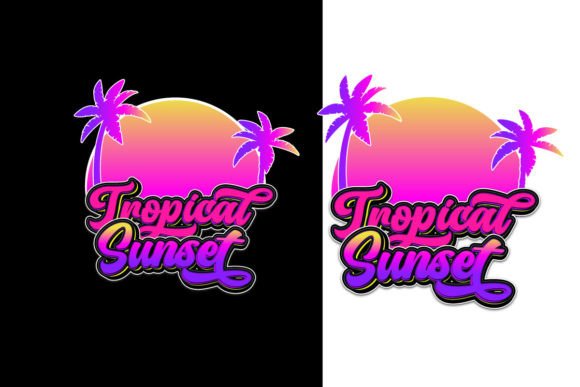
This combination makes it ideal for brands aiming to communicate warmth, accessibility, and a connection to nature or leisure. The style is particularly effective when used alongside imagery like palm trees, sunsets, or water textures.
Practical Applications and Real-World Use Cases
In real-world applications, Beach Lettering Typography 3d Logo Desig proves its versatility across multiple industries. It’s commonly found in the branding of:
- Coastal Restaurants and Cafés: A logo with beach-style typography helps set expectations for the dining experience—fresh, local, and laid-back.
- Surf Schools and Watersports Businesses: These organizations benefit from visuals that convey adventure and relaxation simultaneously.
- Travel and Tourism Companies: Especially those focused on tropical destinations or beach getaways, where the logo needs to inspire a sense of escape.
- Lifestyle and Apparel Brands: Many casual wear lines use this typography to project an easygoing, carefree image.
A strong example is a boutique hotel using a 3D beach lettering logo on their website and signage. The soft curves and warm color palette create a welcoming first impression, while the added dimension gives the design a modern edge. In contrast, a fast-food chain might find the same style too whimsical and opt for something bolder and more legible instead.
Evaluating Quality and Usability in Professional Settings
One of the most important aspects to consider when choosing Beach Lettering Typography 3d Logo Desig is its quality and usability. High-quality versions of this typography will maintain clarity even at smaller sizes, ensuring readability on everything from business cards to digital ads. However, not all 3D treatments are created equal. Poorly executed designs may appear cluttered or lose definition when scaled down.
Usability also depends heavily on the context in which the logo will be displayed. While it shines in print media and web banners, it may not always perform well in monochrome formats. The subtle gradients and shadows that enhance its 3D appearance can sometimes disappear in black-and-white printing. Therefore, it's essential to test different versions of the logo under various conditions before finalizing it for official use.
Strengths and Limitations
Among its strengths, Beach Lettering Typography 3d Logo Desig stands out for its emotional resonance and visual appeal. It’s excellent for building a brand identity that feels authentic and grounded in a specific place or mood. Additionally, the flexibility of 3D rendering allows for seamless integration into animations, video intros, and interactive websites.
However, there are limitations to consider. The ornate nature of some beach lettering fonts can reduce legibility, especially if the text is long or needs to be read quickly. Furthermore, while the 3D aspect adds flair, it can complicate the design process, requiring more technical skill and time to implement effectively. Beginners might struggle with balancing creativity and functionality, leading to overly stylized logos that sacrifice clarity.
Who Can Benefit Most from This Design Approach?
Professionals in several fields can derive value from Beach Lettering Typography 3d Logo Desig. Graphic designers working with clients in the hospitality, fitness, or outdoor recreation sectors will find this style particularly useful. Marketers looking to build campaigns around seasonal themes—like summer promotions or beach festivals—can leverage these logos to reinforce messaging. Even bloggers and content creators focusing on travel or wellness might incorporate this typography into headers, thumbnails, or social media graphics for a cohesive visual identity.
Freelancers and small business owners who prioritize cost-effective branding should also take note. With access to online tools and font libraries, they can experiment with this style without needing advanced software or hiring a full-time designer. That said, achieving a polished result still requires some level of design knowledge, particularly when applying 3D effects and managing color schemes.
Design Tips and Recommendations
To maximize the effectiveness of Beach Lettering Typography 3d Logo Desig, here are a few practical tips:
- Balance Artistry and Legibility: Choose fonts that retain readability while offering a distinct aesthetic. Avoid excessive flourishes unless the brand specifically embraces them.
- Test Across Platforms: Ensure the logo looks good in both color and grayscale, and at various sizes—from mobile screens to billboards.
- Use Complementary Imagery: Pair the typography with relevant background images or symbols (e.g., seashells, waves) to enhance the overall message and cohesion.
- Consider Cultural Context: Not all audiences interpret beach aesthetics the same way. Research your target demographic to ensure the style resonates positively.
For instance, a yoga retreat company using this typography might combine it with serene ocean views and minimalistic layouts to create a calming brand presence. On the other hand, a children's toy store could use brighter colors and exaggerated 3D effects to make the logo more eye-catching and fun.
Long-Term Value and Brand Consistency
Logo design isn’t just about making a first impression—it’s about maintaining a consistent brand image over time. Beach Lettering Typography 3d Logo Desig can support long-term branding efforts if implemented thoughtfully. A well-designed 3D logo with a clear typeface and defined color scheme can evolve with a brand while still remaining recognizable.
That said, consistency is key. If a brand changes its direction but keeps the same logo, it may confuse customers. Conversely, sticking too rigidly to the style could limit opportunities for growth or repositioning. It's crucial to evaluate whether the typography supports the brand’s current goals and future aspirations.
Tools and Resources for Creating Your Own Logo
Creating a Beach Lettering Typography 3d Logo Desig doesn't require a high-end workstation or years of experience. Several tools and platforms allow users to generate and customize 3D logos efficiently:
- Adobe Illustrator: Offers advanced vector-based tools for crafting custom typography and applying realistic 3D effects.
- CanoPS: A powerful plugin for Illustrator that simplifies the creation of 3D text and shapes with precise control over materials and lighting.
- Online Logo Makers: Websites like Logo Design Love or LogoMakr provide templates and drag-and-drop interfaces that can produce decent results with minimal effort.
- Blender: For those interested in open-source solutions, Blender is a free tool capable of producing high-quality 3D typography with a learning curve.
While these tools vary in complexity and price, they all offer pathways to experimenting with 3D beach lettering. Professionals might prefer Adobe products for their precision, whereas hobbyists or budget-conscious entrepreneurs may lean toward online options for convenience.
Final Considerations for Potential Users
If you’re considering Beach Lettering Typography 3d Logo Desig for your next project, start by asking what message you want to send. Does the style align with your brand’s personality? Will it work across all the mediums you plan to use? Answering these questions upfront can save time and prevent costly redesigns later.
Another factor to weigh is audience perception. While some demographics might find the style charming and trustworthy, others could see it as unprofessional or too niche. Conducting user testing or gathering feedback during the design phase can help identify potential misalignments early on.
Ultimately, Beach Lettering Typography 3d Logo Desig is best suited for brands that aim to connect emotionally with their audience and operate within environments where the beach aesthetic is relevant. It’s not a one-size-fits-all solution, but for the right use cases, it can become a defining element of your brand’s visual language.
Before committing, review existing examples of successful implementations, consult with a designer if needed, and ensure the logo meets both functional and stylistic requirements. With careful planning and execution, this unique design choice can elevate your brand and leave a lasting impression on your audience.