★★★★☆4.8(262 reviews)
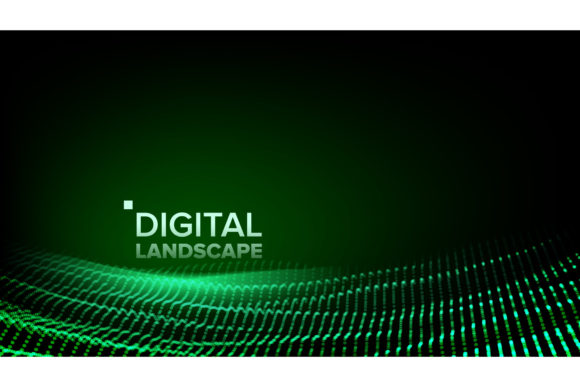
Wireframe Landscape Vector. Data
Understanding Wireframe Landscape Vectors
A Wireframe Landscape Vector is a visual representation that blends the precision of data with the aesthetics of digital art. It typically uses clean, geometric lines and structures to mimic natural or abstract landscapes, often in a futuristic or cyber-inspired style. These vectors are not just artistic—they’re functional tools for conveying complex information through engaging visuals.Key Elements of Wireframe Landscape Vectors
- Relief Structure: Mimics elevation or depth using layered lines and shading.
- Cyber Concept: Integrates futuristic elements like glowing nodes or circuit-like patterns.
- Futuristic Graphic: Uses sleek, minimalist designs with a high-tech feel.
- Energy Space: Can represent power grids, data flows, or dynamic movement within a system.
- Topography Code: Translates geographic features into vector-based forms.
- Array Design: Utilizes repeating patterns or modular components to create structure.
- 3D Illustration: Adds dimensionality without full rendering, maintaining clarity and simplicity.
Applications Across Industries
Wireframe landscape vectors can be adapted across various fields. For example, in data science, they help visualize datasets in a way that’s both informative and visually appealing. In architecture or urban planning, they may be used to model cityscapes or terrain before full development. Marketers might use them in presentations to demonstrate market trends or customer behavior in a more digestible format.- Websites and Blogs: As background graphics or section dividers to add depth and a modern edge.
- Infographics: To map out processes, hierarchies, or systems in a clear and engaging manner.
- Mobile Apps: Ideal for UI/UX mockups where spatial navigation or data flow needs to be illustrated.
- Presentations: Used by educators and entrepreneurs to simplify complex topics for audiences.
- Print Media: Can serve as eye-catching covers for reports, whitepapers, or brochures.
Creating Your Own Wireframe Landscape Vector
- Start with a Base Grid: Use horizontal and vertical lines to simulate landmasses or data layers.
- Add Depth with Lines: Vary line thickness and spacing to suggest elevation or movement.
- Incorporate Nodes or Symbols: Represent data points or energy sources with icons or shapes.
- Color Strategically: While wireframes are usually monochrome, subtle color gradients or highlights can enhance readability.
- Export for Multiple Uses: Save your work in formats like JPG or EPS to ensure compatibility across platforms.
Adapting for Different Audiences and Platforms
- For Web Design: Keep it scalable and responsive. Use SVG or EPS formats to maintain quality at any size.
- For Print Projects: Opt for high-resolution JPGs and ensure contrast and legibility on physical media.
- For Presentations: Add subtle animations or transitions to guide the viewer’s attention.
- For Branding: Use consistent colors and patterns that align with your brand identity.
Tips for Clear and Effective Design
1. Stay Organized: Use layers in your design software to manage elements like base lines, nodes, and labels. This ensures easy editing later.
2. Maintain Consistency: Choose a single style (e.g., isometric, flat, or 3D) and stick to it throughout the design to avoid confusion.
3. Simplify Complex Ideas: Break down intricate concepts into smaller, recognizable symbols or structures. Think of it like a visual codebase.
4. Prioritize Readability: Even if your vector looks futuristic, the message should remain accessible. Avoid clutter and test your design with real users.
5. Use Realistic Scales: If representing actual data or geography, ensure proportions reflect real-world measurements for credibility.
Exploring Variations and Styles
Wireframe landscape vectors come in many styles. Some designers prefer the isometric look, which gives a pseudo-3D perspective without requiring full modeling. Others might opt for a minimalist grid to emphasize data clarity over visual flair.- Dynamic Lighting: Simulate sun angles or neon glows to highlight key areas.
- Abstract Forms: Replace traditional hills and valleys with symbolic representations like data clouds or neural networks.
- Interactive Layers: When used in digital formats, allow viewers to click through different levels of the landscape for more details.
- Animated Transitions: Show change over time by morphing the landscape in response to data updates.
Practical Project Ideas
- Website Hero Sections: Create a dramatic backdrop that represents your company’s mission or values.
- Data Dashboards: Use the landscape metaphor to show performance metrics or growth trajectories.
- Book Covers or Magazine Layouts: Give your publication a cutting-edge look that stands out.
- Backgrounds for Videos or Podcasts: Add motion or overlay text to reinforce your message visually.
- UI Mockups for AR/VR: Build immersive environments with wireframe-style terrain for virtual experiences.
Choosing the Right Format for Your Project
- JPG: Best for raster-based outputs like websites or social media. Fast-loading and widely supported.
- EPS: Preferred for print and scalability. Allows for high-quality printing and easy edits in vector software.
Where to Find and Share Your Work
- Envato Elements – Offers a large library of vector graphics and design templates.
- Creative Market – Great for finding unique and original vector illustrations.
- Dribbble – Showcase your work and get feedback from other designers.
- Behance – Perfect for portfolio presentation and professional exposure.
⬇️ Download Free
Free download · No sign-up required
🔗 You Might Also Like

Icons
sakura flower cherry pink japanese petal. botanical design. 3d realistic vector ...
Icons
Mg Magnesium Vector. Mineral Blue Drop Icon. Vitamin Liquid Droplet Icon. Substa...
Icons
Ni Niccolum Vector. Mineral Blue Drop Icon. Vitamin Liquid Droplet Icon. Substan...
Icons
K Kalium Vector. Mineral Blue Drop Icon. Vitamin Liquid Droplet Icon. Substance ...
Icons
Cl Chlorum Vector. Mineral Blue Drop Icon. Vitamin Liquid Droplet Icon. Substanc...
